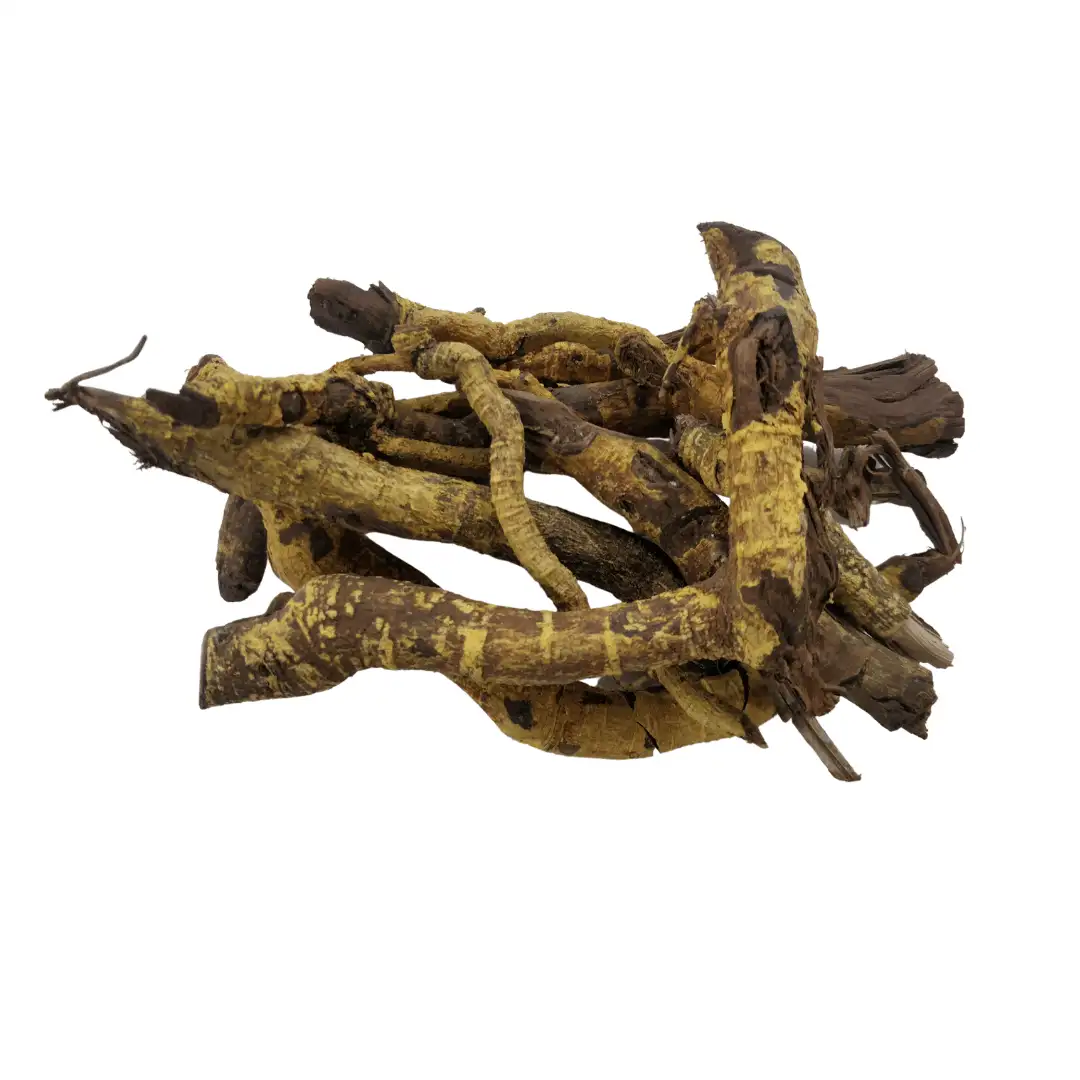
Salacia Chinensis Saptrangi
Tag : saptrangi herb, salacia chinensis, saptarangi ayurveda, saptrangi roots and stem, ayurvedic raw material supplier, traditional herbal ingredients, salacia chinensis ayurveda, classical ayurvedic herbs india
Product Description
Vernacular Names & Parts Used
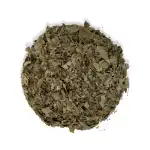
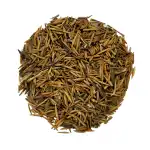
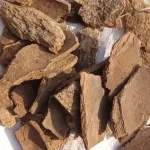
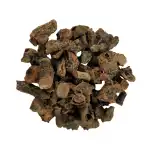
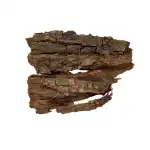
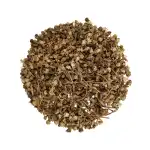
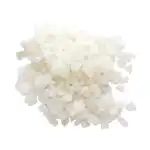
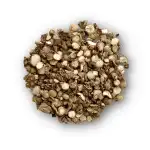
Saptrangi, botanically identified as Salacia Chinensis, is traditionally known as Saptrangi, Saptarangi, Saptachakra, and Ponkoranti in various regional and Ayurvedic traditions. The roots and woody stems are primarily used, carefully harvested from mature plants and shade-dried to maintain their natural constituents.
Ayurvedic Properties & Common Uses
In classical Ayurveda, Saptrangi is described with Tikta (bitter) and Kashaya (astringent) rasa, Ushna virya, and Laghu–Ruksha guna, traditionally associated with balancing Kapha and Pitta doshas. Ancient Ayurvedic texts reference Saptrangi in formulations supporting metabolic balance and internal cleansing processes within traditional wellness systems.
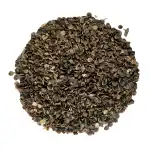
Saptrangi is commonly processed into Kwath, Churna, and compound herbal formulations, following classical guidelines. Ayurvedic literature emphasizes proper processing, controlled dosage, and professional supervision, aligning its use with long-standing traditional knowledge rather than standalone consumption.